

Most of us carry a small electronic device in our pockets and on our wrists at all times. Smartphones, wireless earbuds, and fitness trackers are inseparable from modern life. At the same time, millions of Americans rely on life-sustaining medical devices like pacemakers, implantable cardioverter defibrillators (ICDs), and insulin pumps.
These two worlds do not always coexist safely. The FDA and peer-reviewed medical literature have described circumstances where magnets and other electromagnetic sources in consumer electronics can interfere with certain implanted medical devices, particularly when the consumer device is placed very close to the implant. This type of interaction is often discussed as electromagnetic interference (EMI). The practical concern is that interference can change how an implant behaves in a moment when consistent function matters most.
At Leckman Law, we believe that when a convenient gadget threatens a patient’s life-saving medical device, the manufacturer must be held accountable. As pharmaceutical and product liability lawyers, we investigate these failures to ensure that the Constitutional promise of a day in court is fulfilled for those harmed by corporate negligence.
The Mechanics of Interference: Why Magnets Pose a Risk
Implanted medical devices are designed to sense subtle electrical signals from the heart or nervous system. These sensors are remarkably precise, yet they can be confused when a strong magnetic field or radio signal gets too close.
Static Magnetic Fields and “Magnet Mode”
Modern smartphones and watchbands often feature powerful rare-earth magnets to assist with alignment and charging. When you place these magnets near an implant, they can trigger a "magnet mode." This is a safety feature intended for clinical use, but when triggered accidentally by a phone in a shirt pocket, it can suspend a defibrillator's ability to shock a failing heart.
Bioimpedance in Wearables
Wearables that use bioimpedance technology send a small electrical current through the body to estimate body composition and related measurements. Published research and clinical discussion have raised concerns that, in some circumstances, bioimpedance signals may be detected by certain implanted cardiac devices. For that reason, patients with implants should follow their physician’s guidance and the device manufacturer’s safety instructions regarding proximity and use.
Wireless Power Transfer
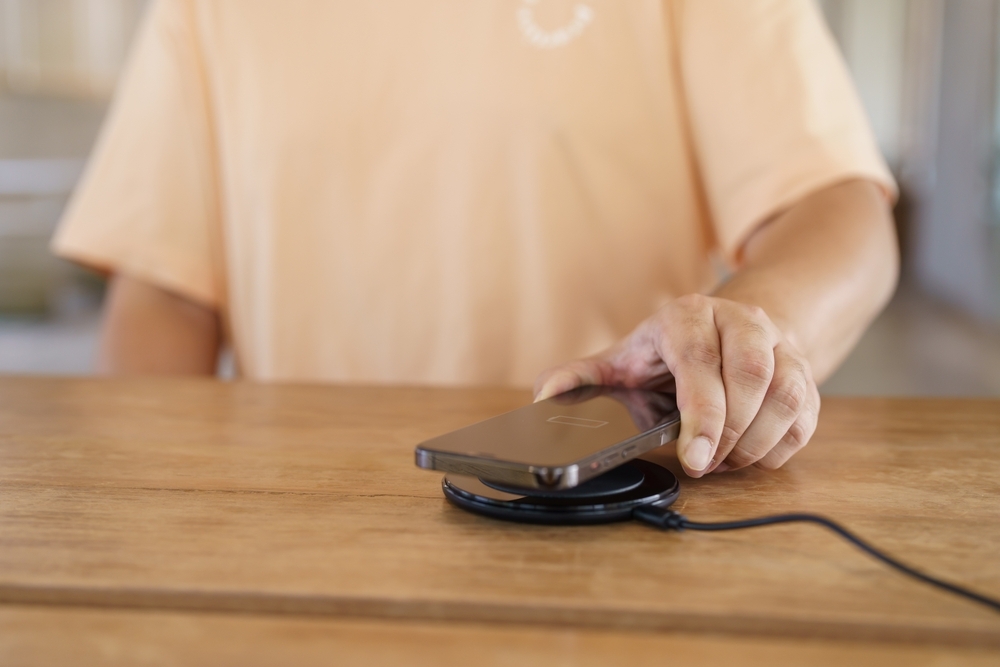
Wireless charging pads create oscillating magnetic fields to transfer energy. If these fields extend beyond the intended charging zone, close and prolonged exposure may create conditions that could affect the operation of certain implants, including neurostimulators and some infusion systems. Proximity matters most during prolonged use, such as overnight charging near the body. If a patient experiences symptoms or device alerts after close exposure, the safest step is prompt medical evaluation and device assessment.
The 2026 Regulatory Shift (QMSR)
It is important to note that the FDA’s Quality Management System Regulation (QMSR) is scheduled to take effect on February 2, 2026, aligning U.S. requirements more closely with ISO 13485. This shift emphasizes risk management across a product’s lifecycle. For manufacturers, that means risk analysis and post-market evaluation should keep pace with foreseeable interactions between medical devices and widely used consumer electronics.
Case Study: MagSafe and the "Six-Inch Rule"
The industry has largely acknowledged the risks posed by magnetic systems like Apple’s MagSafe. Research published in HeartRhythm Journal reported that, in controlled testing, placing a magnet-equipped smartphone directly over the implant site triggered magnet-response behavior in a large portion of the cardiac devices evaluated. The key detail is proximity. The risk rises when a phone or accessory is positioned directly over the implanted device, such as in a shirt pocket or during close-contact use.
Manufacturers advise maintaining distance between magnetic accessories and implanted devices. For example, Apple has advised keeping iPhone and MagSafe accessories more than six inches away, and more than twelve inches away when wirelessly charging. Even so, a warning buried in a digital manual is rarely enough to protect you. When a company chooses a design that places strong magnets in a device intended for close-body use, they have a legal responsibility to ensure those risks are clear, prominent, and prioritized over aesthetics.
Legal Accountability: Design Defect and Failure to Warn
When we investigate lawsuits involving consumer electronics and medical device interference, we look at two primary theories of liability:
- Design Defect: A product is defective in design if its blueprint makes it unreasonably dangerous. If a manufacturer could have used shielding or alternative technology that would not trigger a pacemaker, but chose a high-magnet design instead, they may be liable.
- Failure to Warn: Even a well-designed product is legally defective if it lacks adequate warnings. A vague statement about "interference" is insufficient for a life-critical implant. Warnings must be specific and highly visible to the average consumer.
Why Leckman Law is Built for Complex Litigation
At Leckman Law, we prepare every case with trial in mind. We treat matters as litigation that must be ready for a jury, not as paperwork to be processed. We prepare cases with the discipline and detail that trial demands. That trial-first approach reflects Matt Leckman’s career, which has included trying high-stakes pharmaceutical and product cases in courtrooms from Philadelphia to Los Angeles.
In matters involving consumer tech and medical devices, that preparation starts with the science. We work with qualified medical and scientific experts, including appropriate clinical and engineering professionals, to evaluate causation and explain complex device issues in a clear, jury-ready way. By tying the technical evidence to the real-world failure and resulting harm, we help build the case for accountability when a corporate design choice puts patients at risk.
Steps to Take if You Suspect Electronic Interference
If you or a loved one experienced a serious event that you think may be linked to interference between a consumer device and a medical device, your health must be the priority. Once you are stable, consider the following steps:
- Seek immediate medical care: Safety comes first. Make sure your device is checked, and your condition is stabilized.
- Ask for a device interrogation report: For pacemakers, ICDs, and some pumps, doctors can download logs that show what the device sensed and did around the time of the event. These records can provide critical evidence.
- Preserve the product: Do not throw away or trade in the phone, watch, charger, or other device you were using. Keep the original packaging and all accessories. They may be analyzed later for magnet strength, design, and warnings.
- Write down what happened: As soon as you can, note the date, time, and circumstances. Where was the electronic device positioned relative to the implant? Were you using a charger or a specific accessory?
- Keep all instructions and warning materials: Save user manuals, quick start guides, and any on-screen safety notices. These show what the manufacturer chose to tell you, and what it left out.
- Consult with an experienced consumer product liability lawyer in Philadelphia, PA: Cases at the intersection of electronics and medical devices are technically complex. You need a legal team that understands both sides of the equation and can marshal the right expert testimony.
Contact Leckman Law to Discuss Your Case
If you or a loved one has been harmed by the intersection of everyday technology and medical necessity, you do not have to navigate these complexities alone. We believe technology should serve humanity, not endanger it.
As personal injury lawyers in Philadelphia, PA, we are ready to discuss what the research shows, how the law applies, and what justice looks like for you. Contact Leckman Law to discuss your situation and learn whether we may be able to help.
Disclaimer: This post is for informational purposes only and does not constitute legal advice. Reading this post does not create an attorney-client relationship. Please do not send confidential or sensitive information unless and until the firm has agreed to represent you.